
The Economics of Recycling: Why It’s a Smart Investment for Businesses
Recycling is often championed for its environmental benefits, but the economic advantages are just as compelling. In Ireland, where waste generation continues to grow, recycling presents an opportunity for businesses to not only reduce their environmental impact but also to save money, create jobs, and improve their bottom line. In this post, we’ll explore the economics of recycling with a focus on how it can benefit Irish businesses and workers.
-
Cost Savings Through Reduced Waste Disposal
One of the primary financial benefits of recycling is the reduction in waste disposal costs. In Ireland, landfill disposal fees have increased significantly in recent years, making it costly for businesses to rely on traditional waste disposal methods. As of 2023, the landfill levy stands at €75 per tonne (Home). By reducing the amount of waste sent to landfills through recycling, companies can significantly lower their waste management expenses.
Example: A typical office that switches to a robust recycling system for paper, plastic, and glass can reduce the number of general waste collections required, resulting in direct cost savings on waste disposal fees.
Tip: Encourage employees to reduce, reuse, and recycle through educational campaigns and by placing recycling stations in key areas of the office, such as kitchens, print areas, and break rooms.
-
Revenue from Recyclable Materials
Certain recyclable materials—such as metals, plastics, and paper—can be sold to recycling facilities, providing businesses with an additional revenue stream. Ireland has a well-established market for recycling materials, particularly metals. According to Repak, an Irish organization specializing in packaging recycling, Ireland exceeded its EU targets in 2022, with a recycling rate of 75% for paper and 69% for metals (Repak).
Example: A manufacturing company that recycles scrap metal or off-cuts can sell these materials to recycling processors, which reduces waste and generates extra income. Some businesses may even qualify for rebates based on the volume and quality of the recyclables they produce.
-
Job Creation in the Recycling Industry
Recycling is a more labour-intensive process than landfilling or incineration, and as a result, it creates more jobs. In Ireland, the recycling industry provides employment opportunities in areas such as collection, sorting, and processing of recyclable materials. It is estimated that recycling creates 10 jobs for every 1 job in landfilling (Home).
Statistic: Ireland’s waste management sector is growing, with over 1,000 people employed directly in recycling-related roles across the country (Home). By supporting recycling initiatives, businesses not only contribute to environmental sustainability but also help create jobs in local communities.
-
Reduced Environmental and Economic Costs of Landfill Use
Ireland faces increasing pressure to reduce its reliance on landfills due to environmental concerns and rising landfill management costs. Sending waste to landfills not only harms the environment but also incurs significant long-term expenses for monitoring and maintaining these sites. In 2021, Ireland generated 1.84 million tonnes of household waste, of which only 41% was recycled (Home) (Home). Increasing recycling rates would significantly reduce the strain on landfills and associated costs.
Environmental Impact: By diverting waste from landfills, businesses help to lower methane emissions, a potent greenhouse gas produced by organic waste in landfills. This contributes to Ireland’s climate goals and helps avoid future regulatory costs associated with carbon emissions.
-
Building a Circular Economy
A circular economy keeps materials in use for as long as possible, extracting maximum value before recycling and regenerating them at the end of their lifecycle. In Ireland, the government is committed to promoting the circular economy through initiatives such as the Circular Economy Bill 2021, which encourages businesses to adopt recycling and waste reduction practices (CSO).
Example: Electronics manufacturers can participate in the circular economy by recycling rare earth metals and components from old devices, reducing their need for new raw materials. This not only lowers costs but also helps stabilize supply chains that are vulnerable to price fluctuations in virgin materials.
-
Improved Brand Reputation and Customer Loyalty
Sustainability has become a key differentiator for businesses, with eco-conscious consumers actively seeking out brands that are committed to environmental responsibility. By integrating recycling programs and sustainability initiatives, businesses can enhance their public image and attract customers who prioritize green practices.
Statistic: A survey conducted by Repak Team Green found that 85% of Irish consumers consider the environmental impact of their purchasing decisions (Repak). Businesses that highlight their recycling and waste reduction efforts can build stronger relationships with these consumers and enhance customer loyalty.
Conclusion
For Irish businesses, the economics of recycling presents a compelling case for sustainability. By reducing waste disposal costs, generating revenue from recyclables, creating jobs, and improving brand reputation, companies can make recycling a win-win strategy. Additionally, supporting recycling helps Ireland meet its environmental targets, reduce landfill reliance, and build a more circular economy.

Sustainability in the Workplace: Let’s Work Together!
As the focus on sustainability continues to grow, offices have become key areas where significant environmental impact can be made. Implementing sustainable practices within the workplace not only helps the environment but can also create a more positive and engaging work culture. In this blog post, we’ll share some handy hints to help improve recycling efforts and promote sustainability among workers in your office.
-
Set Up Clearly Labelled Recycling Stations
One of the simplest ways to encourage recycling in the office is by setting up clearly labelled recycling stations. Ensure that bins for paper, plastics, glass, and general waste are easily accessible and clearly marked. This reduces confusion and makes it easier for employees to dispose of their waste correctly.
Tip: Place recycling stations in high-traffic areas such as the kitchen, near printers, and in break rooms. Include posters or guides above the bins to remind staff of what can and cannot be recycled.
-
Encourage Paperless Practices
The digital age offers countless opportunities to reduce paper use in the office. Encourage employees to embrace paperless practices by using digital documents, emails, and cloud storage instead of printing.
Tip: Set printers to double-sided printing by default and encourage staff to think before they print. Offer training sessions on digital tools that can help reduce paper usage, such as PDF editing software or cloud collaboration platforms.
-
Reuse Office Supplies
Before purchasing new office supplies, consider whether existing items can be reused or repurposed. Items like file folders, binders, and envelopes can often be used multiple times before they need to be replaced.
Tip: Create a designated area for reusable supplies where employees can drop off or pick up items they no longer need. This can reduce the demand for new supplies and minimize waste.
-
Promote the Use of Reusable Items
Encourage employees to use reusable items such as coffee mugs, water bottles, and lunch containers. This reduces the amount of single-use plastic and paper waste generated in the office.
Tip: Provide reusable items branded with the company logo as part of an eco-friendly welcome pack for new employees. Consider setting up a dishwasher in the office kitchen to make it easier for staff to clean and reuse their items.
-
Organise Office Recycling Challenges
Make recycling fun by organizing office-wide recycling challenges. Set goals for reducing waste or increasing recycling rates, and offer rewards for teams or individuals who achieve the best results.
Tip: Track the office’s recycling progress and share updates regularly. Consider rewarding the winning team with a lunch outing, extra break time, or a donation to an environmental charity in their name.
-
Educate and Engage Employees
Education is key to improving sustainability in the workplace. Provide regular training sessions or workshops on recycling and sustainable practices. Share tips and success stories in company newsletters or on the intranet.
Tip: Invite guest speakers from local recycling organizations or environmental groups to give presentations or hold Q&A sessions with employees. This can provide valuable insights and inspire further action.
-
Implement a Green Office Program
Consider implementing a formal green office program that includes policies and practices focused on sustainability. This can range from simple initiatives like energy-saving measures to comprehensive programs that address all aspects of office operations.
Tip: Establish a “Green Team” of volunteers who are passionate about sustainability. They can help drive the program, monitor progress, and come up with new ideas to improve the office’s environmental impact.
-
Reduce Energy Consumption
Encouraging energy-saving habits is another important aspect of sustainability. Simple actions like turning off lights when not in use, using energy-efficient appliances, and setting computers to sleep mode can make a big difference.
Tip: Install motion sensors for office lighting in less frequently used areas such as storage rooms and bathrooms. Encourage staff to unplug chargers and electronics when they’re not in use to avoid phantom energy drain.
Conclusion
Improving sustainability in the office is not only beneficial for the environment but also for the overall well-being and morale of employees. By implementing these handy hints, you can create a more eco-friendly workplace that encourages recycling and sustainable practices among workers. Let’s work together to make our offices greener and more responsible places to work.
#SortItCampaign #Sustainability #OfficeRecycling #EcoFriendly #GreenOffice #WasteManagement
Encouraging sustainable habits in the workplace is a collective effort. Start small, but think big—every action counts toward a more sustainable future!
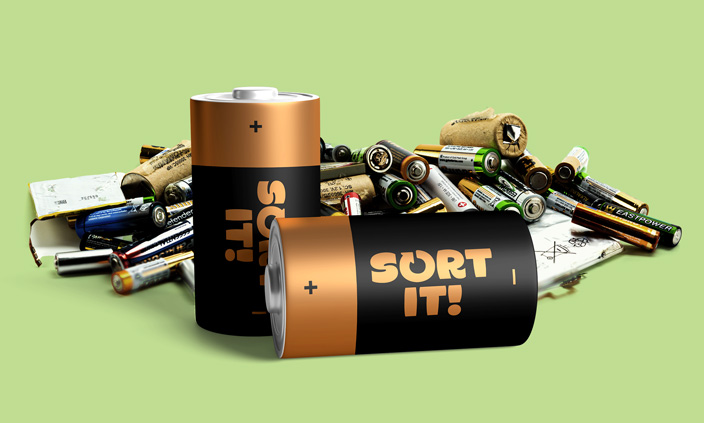
Recycling Batteries: Taking A Positive Approach
Batteries are an essential part of our everyday lives, powering everything from remote controls to smartphones. However, when they are no longer useful, it’s crucial to dispose of them properly. Recycling batteries is not just about reducing waste; it’s about preventing environmental damage and serious safety hazards. In this blog post, we’ll explore why it’s important to recycle batteries properly and the dangers of putting them in regular waste bins.
The Environmental Impact of Improper Battery Disposal
Batteries contain a variety of hazardous materials, including heavy metals like lead, mercury, and cadmium, as well as acids that can be harmful to the environment if not handled properly. When batteries are thrown in the trash and end up in landfills, these toxic substances can leach into the soil and water, contaminating ecosystems and posing risks to wildlife and human health.
Key Environmental Risks:
- Soil and Water Contamination: The chemicals in batteries can seep into the ground, affecting soil quality and potentially entering groundwater supplies.
- Air Pollution: When incinerated, batteries release toxic fumes and heavy metals into the air, contributing to air pollution.
- Resource Wastage: Batteries contain valuable materials like lithium and cobalt that can be recovered and reused if properly recycled.
In Ireland, the importance of recycling batteries has been recognized through various initiatives. The country has made strides in battery recycling, but there is still a need for increased awareness and participation. In 2021, Ireland achieved a collection rate of approximately 48% for portable batteries, indicating that nearly half of the batteries sold were recycled, but there is room for improvement(Repak).
The Dangers of Putting Batteries in Waste Bins
One of the most serious dangers of improperly disposing of batteries in regular waste bins is the risk of fire. Batteries, especially lithium-ion types commonly used in electronics, can short-circuit when their terminals come into contact with metal or other conductive materials. This can lead to overheating, leakage, or even explosions, causing fires in waste bins, collection trucks, and landfill sites.
Fire Hazards:
- Short Circuits: When batteries are damaged or come into contact with metal, they can short-circuit, leading to overheating and potentially starting a fire.
- Combustible Materials: Waste bins and landfills contain a mix of materials, many of which are combustible. A single battery fire can quickly spread, causing significant damage.
- Safety Risks: Fires caused by batteries not only pose risks to property but also to the safety of waste management workers and emergency responders.
There have been numerous reports of fires in waste management facilities linked to improperly disposed of batteries. These incidents highlight the importance of keeping batteries out of general waste and ensuring they are recycled through proper channels.
How to Recycle Batteries Properly
Recycling batteries is easy and convenient, especially with the many collection points available throughout Ireland. Here are some tips to ensure you’re recycling batteries correctly:
- Use Designated Collection Points: Most supermarkets, electronic stores, and recycling centres have designated bins for battery disposal. Take your used batteries to these collection points rather than putting them in the trash.
- Store Batteries Safely: If you’re collecting batteries at home before recycling them, store them in a cool, dry place, away from metal objects. Consider taping the terminals of lithium-ion batteries to prevent short circuits.
- Check Local Programs: Many communities offer special battery recycling programs or events. Check with your local council or waste management authority to find out what options are available near you.
Recycling batteries properly is not just about being environmentally responsible; it’s about preventing serious safety hazards and protecting our communities. By taking the time to recycle batteries correctly, you can help reduce environmental pollution, conserve valuable resources, and prevent dangerous fires. Let’s all do our part to ensure that batteries are recycled safely and effectively.
#SortItCampaign #BatteryRecycling #Sustainability #EcoFriendly #WasteManagement #SafetyFirst
Remember, every battery counts. Recycle them properly and help keep our planet safe and sustainable for future generations.

Back-to-School Sustainability: Handy Tips to become an ‘A’ Student
As the new school year begins, it’s the perfect time to instill sustainable habits in students. Schools are environments where significant amounts of waste are generated, making them ideal places to teach and practice recycling. By incorporating simple, practical steps, we can improve recycling efforts among students and contribute to a greener future.
Here are some handy hints to help kids and parents boost sustainability as they head back to school.
1. Pack Waste-Free Lunches
One of the easiest ways to reduce waste is by packing waste-free lunches. Use reusable containers, water bottles, and cutlery instead of single-use plastic items. Encourage kids to bring home any uneaten food and packaging, so it can be properly sorted and recycled at home.
Tip: Invest in durable lunchboxes and snack containers that can be used throughout the school year. Consider using beeswax wraps instead of plastic wrap to keep food fresh.
2. Use Recycled School Supplies
Choose school supplies made from recycled materials whenever possible. Many manufacturers offer notebooks, pencils, and other supplies that are made from post-consumer waste. Not only does this reduce demand for new resources, but it also teaches kids the value of recycling.
Tip: Look for items with the recycling symbol on the packaging, indicating they are made from recycled content.
3. Implement a Classroom Recycling System
Teachers can set up a simple recycling system in the classroom. Provide clearly labelled bins for paper, plastic, and other recyclables. Teach students what materials can be recycled and how to properly sort them.
Tip: Make recycling a part of the daily classroom routine. Assign students as “recycling monitors” to ensure the bins are used correctly and to empty them regularly.
4. Encourage Reuse of School Supplies
Before buying new supplies, check what can be reused from the previous year. Items like backpacks, binders, and even notebooks with unused pages can be carried over. This reduces waste and saves money.
Tip: Decorate old supplies with stickers or other embellishments to give them a fresh look and make them feel new again.
5. Promote Eco-Friendly Transportation
Encourage walking, biking, or carpooling to school to reduce the environmental impact of transportation. Fewer cars on the road mean less pollution and a smaller carbon footprint.
Tip: Organize a “walk to school” day or set up a carpooling system with other parents to make it easier and more fun for kids.
6. Start a Green Club
Schools can foster environmental awareness by starting a green club where students can learn about sustainability, participate in recycling projects, and even start their own initiatives to reduce waste at school.
Tip: Use the green club to spearhead school-wide campaigns, such as a drive to collect and recycle batteries or electronic waste.
7. Teach the 3 Rs: Reduce, Reuse, Recycle
Incorporate lessons on the 3 Rs into the curriculum. Understanding how to reduce, reuse, and recycle helps students grasp the importance of sustainability. Practical activities, like making crafts from recycled materials, can make learning about the 3 Rs fun and engaging.
Tip: Challenge students to come up with creative ways to reduce waste in their daily lives, both at school and at home.
8. Digital Homework and Notices
Encourage the use of digital platforms for homework and school notices to reduce paper waste. Many schools now use online portals for assignments, which not only cuts down on paper use but also helps students develop digital literacy skills.
Tip: For schools that still use paper notices, suggest transitioning to email or a school app to communicate with parents.
—
Conclusion
As students head back to school, it’s the perfect opportunity to incorporate sustainable practices into their daily routines. By following these handy hints, we can help foster a culture of recycling and environmental responsibility that students will carry with them beyond the classroom. Let’s work together to make this school year not just successful, but also sustainable.
#SortItCampaign #Sustainability #BackToSchool #Recycling #EcoFriendly #GreenSchools
Soft plastics can now go in your green bin…

You can now place all plastic into your green (recycling) bin – once it is clean, dry and loose.
What does this include?
- This includes both soft and rigid plastics – everything from a plastic bottle to the plastic film on fruit packs!
Why the change?
- In recent years, there have been many improvements in the technology used for plastic recycling. For example, some Irish recycling facilities now use state of the art optical sorting equipment that can identify different plastic types based on reflection and refraction of light beams, which has increased the opportunity to recycle more plastics. This coupled with continued advancements in technology and the emergence of new markets for different plastic types will also play an important role in plastic recycling into the future.
What will happen to the soft plastic?
- Most of the soft plastics will be sorted and turned into “bales” and sent to recycling plants in Europe and Asia.
- Any remaining plastics can be converted to a Solid Recovered Fuel (SRF) which is used in cement kilns. This replaces fossil fuels, which has a positive impact in terms of lower greenhouse gas emissions.
- By putting all clean, dry and loose plastic into your green bin we can ensure that no recyclable plastic inadvertently ends up in landfill. As technology improves and more types of plastic can be recycled, recycling system will be able to sort and pick them up without delay.
For a downloadable recycling list – click here.
For more information from MyWaste.ie – click here.
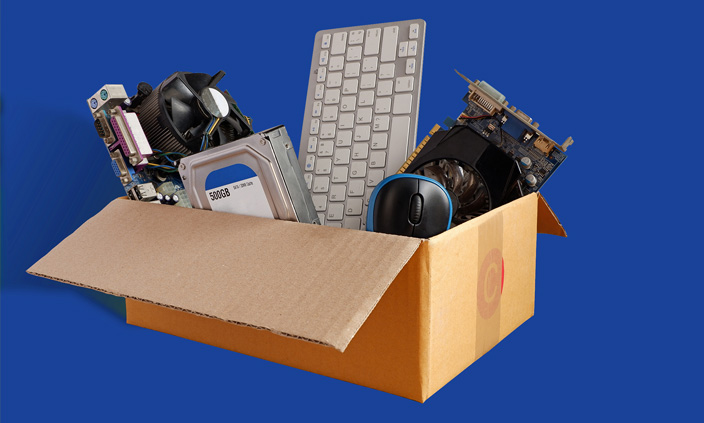
Disposing of Electronic Waste – Safely!

It’s no secret that we love our devices! Continuous advancements in technology bring new products and gadgets into our homes, resulting in old electronic goods that need to be disposed of. However, most end-of-life products contain metals and minerals that can be recovered, as well as harmful substances that need to be disposed of carefully.
A study into consumer shopping habits during the pandemic showed a surge in spending on new electrical devices like mobile phones, computers, small kitchen appliances and white goods. In fact, the annual tonnage of electrical goods rose from 15kg per person in 2016 to 21kg last year, according to WEEE Ireland CEO Leo Donovan. However, unless these electronic devices are traded in for a new device, each of those gadgets eventually reaches the end of its useful life and becomes electronic waste.
Why should I recycle my electronic waste?
- Electronics contain harmful substances such as lead, mercury, and cadmium, which must be disposed of correctly. By recycling your e-waste, you are reducing the number of harmful substances going to landfills.
- Raw materials recovered from waste appliances can be recycled and reused.
- To conserve natural resources as materials such as plastics, glass and metals are recovered for use again by manufacturers.
So, what is the best way to dispose of electronic waste?
- Give your e-waste to a certified electronics recycler
Recycling centres, not for profit organisations, such as WEEE Ireland and local civic amenity sites allow you to recycle your electronic waste for FREE! You will find an interactive map on the WEEE website that will guide you to your nearest local recycling centre, Public Collection Day, Electrical Retailer and Bulb Exchange Store. - Sell your outdated technology
One man’s junk is another’s treasure. You can easily sell your old electronic appliances on an online marketplace such as Facebook Marketplace or Donedeal. Not only are you promoting the circular economy by giving your e-waste a new lease of life, but it is also a good chance to make some money.
- Donate your old electronics
If you do not wish to sell your outdated technology, there is always the option to donate it. Many charities in Ireland accept electronics.
When selling/donating electronic goods, it is important to ask 2 questions:
- Is it working properly?
- Is there any personal information saved on the computer/phone/laptop that should be deleted?
With all of that in mind, we are hosting a FREE electronics recycling event with WEEE Ireland in our recycling centre in Oranmore on Saturday the 11th of September.
In 2020, 11.2 kg of e-waste was recycled per person in Galway – exceeding both the 2019 collection rate of 10.9kg, and the 2020 national average – also 10.9kg per person. However, Galway’s e-waste recycling target for 2021 has increased to 13kg per person, to reflect yearly increases in electrical goods consumption, accelerated by Covid-19.
To help our county meet the increased recycling targets, we are urging Galway householders to bring any electrical and electronic waste to our free collection day with WEEE Ireland.
What can I bring?
All household items with a plug or a battery will be accepted free of charge, including old washing machines, TVs, toasters and kettles, electronic tools and toys, cables, IT equipment, mobile phones, remote controls, and even watches.
Where is the WEEE collection event?
The City Bin Co. Recycling Centre, Oranmore, Co. Galway, H91 EVW3
When is the WEEE collection event?
Saturday September 11th from 10am – 4pm
About WEEE Ireland
WEEE Ireland accounts for over two thirds of all national waste electrical and electronics collection activity on behalf of 1,189 producer members.
In 2020, the equivalent of 225,182 tonnes of CO2 emissions were avoided by recycling e-waste through the WEEE Ireland Scheme as opposed to landfilling. That is the equivalent of the annual carbon consumption of 4,504 hectares of trees.
Moreover, 84% of all material that WEEE collect is recovered for use again in manufacturing through both indigenous operators and specialist processors in Europe, according to CEO Mr. Donovan.
We really look forward to working with Galway householders and WEEE Ireland to hopefully recycle a record-breaking amount of electronic waste in 2021!
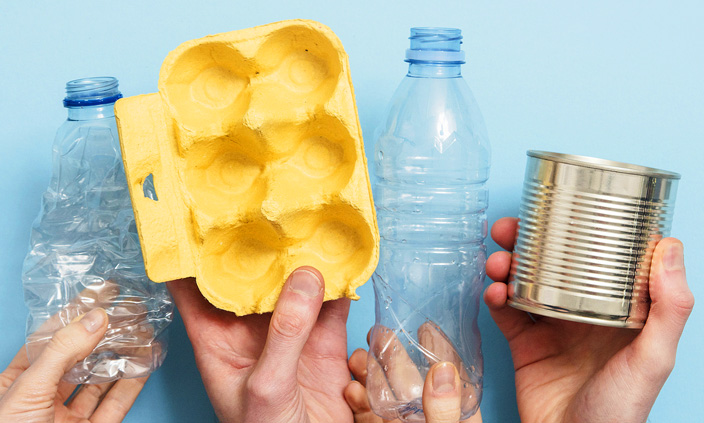
Our Top Household Recycling Tips
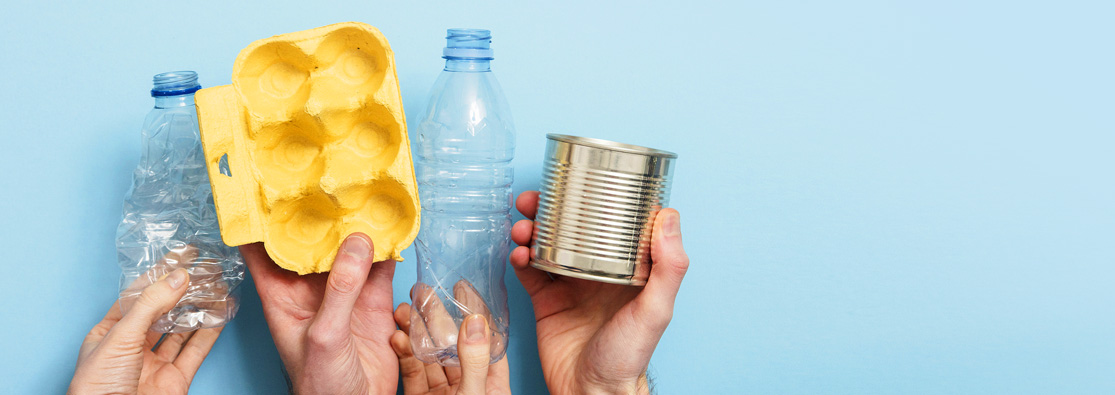
Not exactly sure which bin your household item belongs in?
Don’t worry we’ve got you sorted with our household recycling guide!
With everyone spending more time at home, our recycling bins have become fuller and there is often some confusion about what exactly goes in each of our three bins: general waste, organic waste, and recycling bin. We have compiled a list of the top household items we get queries about to answer your questions quickly.
Dirty cans & plastic bottles
These should all be put cleaned out and put into the recycling bin. If an item in the recycling bin is heavily soiled/dirty, it will contaminate the whole bin.
Glass
We cannot accept glass of any kind in the recycling or general waste bins, so glass items will need to be taken to a local bottle bank.
Plastic caps
With advancements in recycling technology, there is no longer a need to remove plastic caps from bottles before recycling. Now it’s easier than ever to recycle those plastic bottles!
Pizza boxes
Ah, the pizza box! One that causes confusion for sure.
Depending on where you get your pizza, many pizza boxes are now compostable, meaning you can put it in the organic (brown) bin. Otherwise, if your pizza box is not soiled, you can put it in the recycling bin. If your pizza box is soiled, and not compostable, you will need to put it in the general waste bin.
Aluminium foil
If it’s clean, absolutely it can be recycled! But soiled, aluminium foil will need to be put in the general waste bin.
We also tested some of the Connacht Rugby players on their household recycling skills.
Let’s see how they got on!
Just remember, all items in the recycling bin should be clean, dry & loose.

Top Rubbish Removal Tips for your Next DIY Project
Rubbish removal is something every home and business owner must be aware of when starting a DIY project. Here at The City Bin Co., we want to remove the hassle of waste clearance by offering three rubbish removal solutions in Galway and Dublin.
To eliminate some of the stress of undertaking a DIY project, we have put together our top tips for dealing with waste from any DIY project.
Consider the size of your DIY project…
The amount of waste you create will depend on the type of project undertaken. Firstly, the size of the DIY project indicates how much waste is likely to be produced during work. Secondly, you will have a better idea of what types of waste likely to be met along the way.
Figuring out how much waste your DIY project will create will help determine if you need to hire a skip, if you should avail of a junk collection service, or if you can manage to dispose of your waste at your local recycling centre.
Educate yourself on waste disposal procedures…
Improving your knowledge is an important part of the DIY rubbish removal process. There are many useful blogs and tutorials available online. Some great topics to start with include environmental waste disposal, DIY guides, best rubbish removal practices in Ireland, waste recycling and upcycling ideas. Once you understand waste removal best practices you will be better equipped for getting rid of junk from your property.
Pick a suitable rubbish removal solution…
We have two hassle-free cost-effective options for rubbish removal in Dublin and Galway, Skip Hire, and our Junk Collection service.
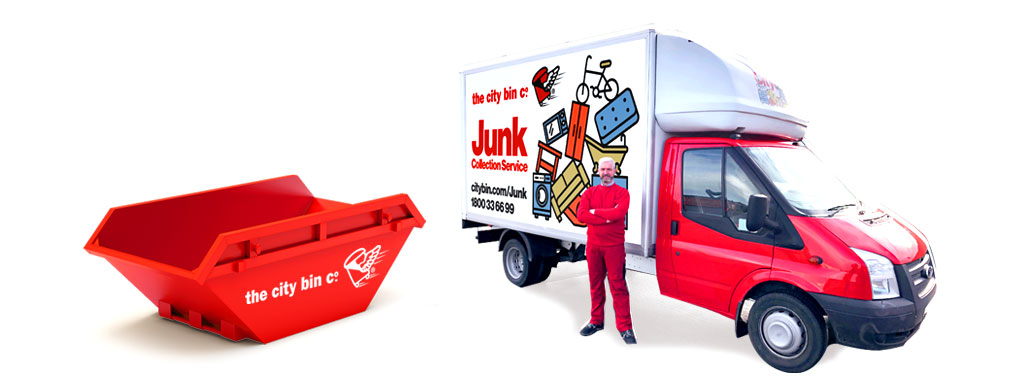
Skip Hire
We have Skip sizes to suit any size DIY project you’re starting.
- Our mini skip is perfect for DIY jobs, general clear-outs, or renovations on your business or home.
- Our standard skip is suitable for large home or work clear-outs, as well as bigger home renovations.
- Our large skip is the perfect option for large projects, or large producers of waste domestically, industrially or for your business.
Junk Collection Service
Our Junk Collection Service is a great low-cost alternative to skip hire, or if you do not have enough space on your premises for a skip. Our hassle-free Junk Collection Service is a simple and effective rubbish removal option for households and businesses undertaking DIY projects.
Happy DIY-ing! & if you book one of our collections, we’d love to see your ‘before & after’ shots!
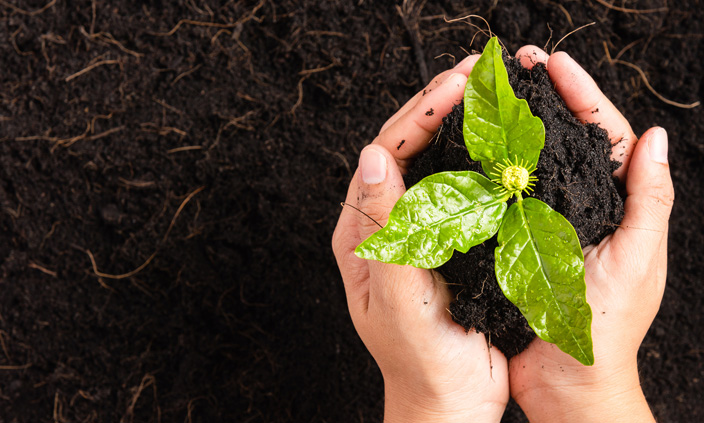
Why should we Compost?
No matter how much we try to reduce food waste there will always be scraps left over such as banana skins and eggshells. Composting is the perfect way to get the final use out of your food.
Benefits of composting
- Cut waste expenses and save money
On average, food, and garden waste accounts for over 1/3 of household waste. By preventing food waste and composting what you can, you will save money on your waste bill.
- Create healthy soil
With compost, you are creating rich humus, a magical ingredient when it comes to creating healthy soil. It is full of nutrients and life and is even better when you make it at home. Compost improves soil fertility, texture, structure, and moisture, which inevitably produces healthier, disease-resistant plants.
- Prevent waste and conserve resources
By composting your food and garden waste, you can divert as much as 30% of household waste away from your bin. This diverts waste from landfill, reducing methane gas and therefore reducing the rate of global warming and climate change. By composting your food and garden waste, you also contribute to saving the fuel needed to move the waste around.
- Protect biodiversity
Peat moss, taken from Ireland’s bogs and peatlands, is commonly used to improve soil. However, these peatlands are home to many species of flora and fauna, many of which are endangered. By making your own compost at home, you will reduce the need to purchase peat moss and therefore help protect the biodiversity of Ireland’s peatlands.
By composting at home, you are helping the planet and saving money, whilst giving your garden the magical resource it needs to thrive.
Read our easy guide to making your own compost here.
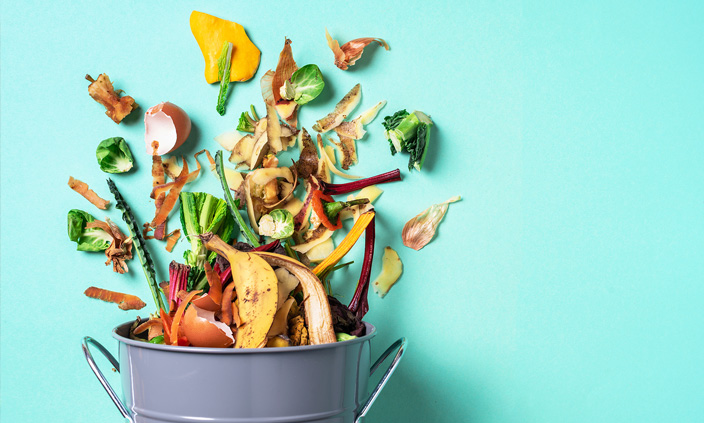
An Easy Guide to Composting

Homemade compost is a magical resource for your garden and will have your plants thriving, whilst also helping to keep your waste costs down. According to StopFoodWaste.ie, “composting is the natural process of decomposition that turns organic materials like garden waste and vegetable food scraps into a dark, crumbly and earthy smelling material”.
Use the compost to improve your flower garden, lawn or feed your growing veggies. Once you get your compost pile started, you will find that it’s an easy way to reuse kitchen scraps and other organic materials, whilst helping your garden thrive.
How to make compost?
To make the perfect compost you should have a 50:50 blend of materials that are rich in nitrogen and carbon. Nitrogen can be retrieved from grass clippings or other lush, green material, and carbon comes from woody material, such as cardboard or woody stems. For every bucket of green material, you should have the same amount of brown.
Ensure your compost does not have too much nitrogen, or grass cuttings, as this will result in a very smelly compost bin. On the other hand, if your compost has too much carbon, the composting process will be very slow.
Step 1: Combine the green and brown materials.
Place your compost bin directly on the soil – worms and other micro-organisms will speed up the composting process. Chicken wire at the base will keep rodents out. Add an equal mix of green and brown materials.
Step 2: Water your pile.
You want your compost pile to have the consistency of a wet sponge, so you will need to sprinkle water over it regularly. Be careful not to add too much water or the microorganisms in your pile will become waterlogged and drown. If this happens, your pile will rot instead of compost. Your compost pile should feel warm if you reach your hand into the middle of the pile.
Step 3: Stir up your pile.
You should provide your compost pile with oxygen by turning it with a garden fork once a week. Turning the pile will help it compost faster and prevents material from developing an odour.
Step 4: Feed your garden.
When the compost no longer gives off heat and becomes dry, brown, and crumbly, it’s ready to feed to your garden. – this will take about 2-6 months. Add about 4 to 6 inches of compost to your flower beds and into your pots at the beginning of each planting season.
What to compost?
Nitrogen-rich waste (green):
- Grass clippings
- Annual weeds
- Fruit and veg peelings.
- Nettle leaves
- Teabags
Carbon-rich waste (brown):
- Prunings
- Hedge trimmings
- Paper or newspaper (loosely scrunched up is best)
- Cardboard
- Straw
- Sawdust
- Paper towels
- Paper bags
You can also add eggshells, natural fibres (wool or cotton), and wood ash (not too much).
Is there anything you can’t compost?
There are some items such as food waste that you should not be home composted as it creates problems with odours, rodents, etc. Here is a list of items that should not be composted:
- Diseased plants
- Perennial weeds
- Cooked food
- Citrus (slow to rot and very acidic, which reduces worm activity)
- Raw meat
- Dairy products
- Gloss or colour-printed paper
- Ash from coal fires
- Cat or dog faeces
- Autumn leaves – these are best used to make leaf mould.
Compost is incredibly easy to make, environmentally friendly and a wonderful treat for your garden plants. With just some kitchen scraps and patience, your garden will be thriving. Read about all the benefits of composting at home here.
And here’s a great blog post by CulinaryAmbition.com that profiles some excellent kitchen composters for your food waste.